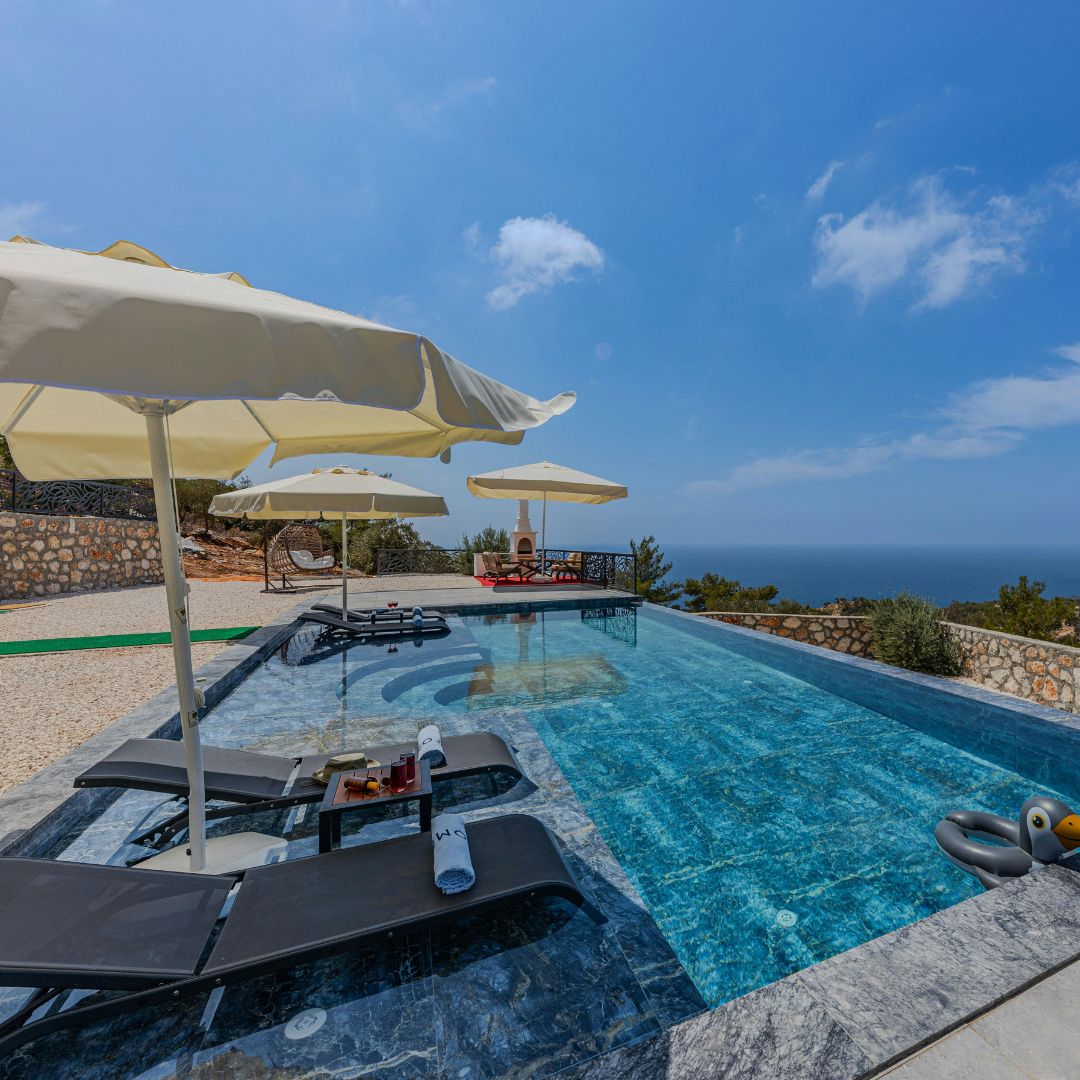
Swimming does not have to end when the temperature drops. A well-specified heating system makes it possible to enjoy a pool comfortably across far more of the year, extending the season and improving the return on everything already invested in the pool.
Heating is not a single appliance decision. It is a system: the heater itself, the circulation that moves water through it, the insulation that slows heat loss, and the controls that decide when the system runs.
How Modern Pool Heating Works
Every heater does the same basic job: it adds energy to circulating water faster than the pool loses it. The efficiency with which it does so, and the cost of that energy, is what separates one option from another.
Heat pumps move existing heat from the air into the water and are highly efficient in mild conditions.
Gas and electric heaters heat quickly and suit pools that are used intermittently.
Solar collectors use free energy but depend on available sunlight and roof or deck space.
Pool covers reduce evaporation, which is where most heat is actually lost.
Choosing between them is mostly about how the pool is used. A pool used daily through a long season rewards efficiency, while a pool heated for occasional weekends rewards speed.
The Case for Heat Pumps
A heat pump does not generate heat so much as relocate it. Because moving heat takes far less energy than creating it, running costs are typically much lower than direct electric heating for the same rise in temperature, particularly where the pool is used regularly.
Performance does fall as air temperature drops, which is exactly why correct sizing matters. An undersized unit will run continuously without ever reaching the desired temperature, and no number of running hours will disguise that.
Size the unit for the coldest month the pool will be used, not the warmest.
Position it with free airflow, away from enclosed plant areas.
Keep the evaporator clean so efficiency does not drift downward.
Pair the heater with a cover to retain the heat it produces.
Retaining Heat Is Half the Battle
It is easy to focus on the heat going into a pool and forget the heat leaving it. Evaporation alone can account for the majority of heat loss, and a floating cover addresses it far more cheaply than any upgrade to the heater.
Beyond covers, insulating exposed pipework, keeping circulation runs short and sheltered, and positioning the pool away from prevailing wind all reduce demand. Heating a well-insulated pool with a modest heater often outperforms heating a poorly insulated one with a large one.
Controls, Scheduling and Running Costs
Modern controls let a pool hold different temperatures at different times. A warm setting for the hours the pool is genuinely used and a lower setback overnight reduces running costs noticeably, without any loss of comfort during bathing hours.
Set a target temperature and let the controller manage the heater.
Use a setback schedule rather than switching the system off entirely.
Monitor filter pressure and flow so circulation stays efficient.
Review running costs seasonally and adjust the schedule accordingly.
Getting the Details Right
Heating systems work best when the whole pool is considered together. Water chemistry affects heat-exchanger life, flow rate affects efficiency, and bypass valves that are set incorrectly can quietly undermine both.
Efficient Equipment, from heat pumps and heating systems to the pumps, valves and controls around them, determine whether the installation performs as intended. Owners who plan the Swimming Pools circulation layout with heating in mind usually avoid the most common retrofit mistakes.
Choosing the Right System
Owners comparing best swimming pool heating system manufacturers should look beyond the rated output on a specification sheet. Service support, spare availability and honest sizing advice matter just as much once the system is installed and the weather turns cold.
Our solutions are built for steady, energy-conscious performance and are backed by top rated pool heating suppliers and traders who will size a system to the pool rather than to a sales target. To discuss best pool heat pump manufacturers and exporters or to review an existing installation, write to Oases Water Care Pvt. Ltd.